
Backyard Rewilding
Yes In My Backyard! Conservation Hits Different When It’s Home
What is Backyard Rewilding?
Backyard Rewilding was an idea developed by Doug Tallamy about how each of us can restore biodiversity by replacing lawn areas with native plants - turning private yards into a connected “Homegrown National Park”. Roughly 77 million landowners across the country hold about 1.3 billion acres of private land. That represents an enormous opportunity to rebuild biodiversity and restore native plants at a massive scale, one yard at a time. At HCSWCD, we have created a Backyard Rewilding program that helps local landowners transform your lawn into a living landscape by:
Limiting mowing and allowing for natural plant growth.
Planting native species (some can be purchased through our Native Plant Sale at the start of each year and are delivered in the spring.
Removing invasive species that out-compete our native plants and don’t provide as many ecological benefits.
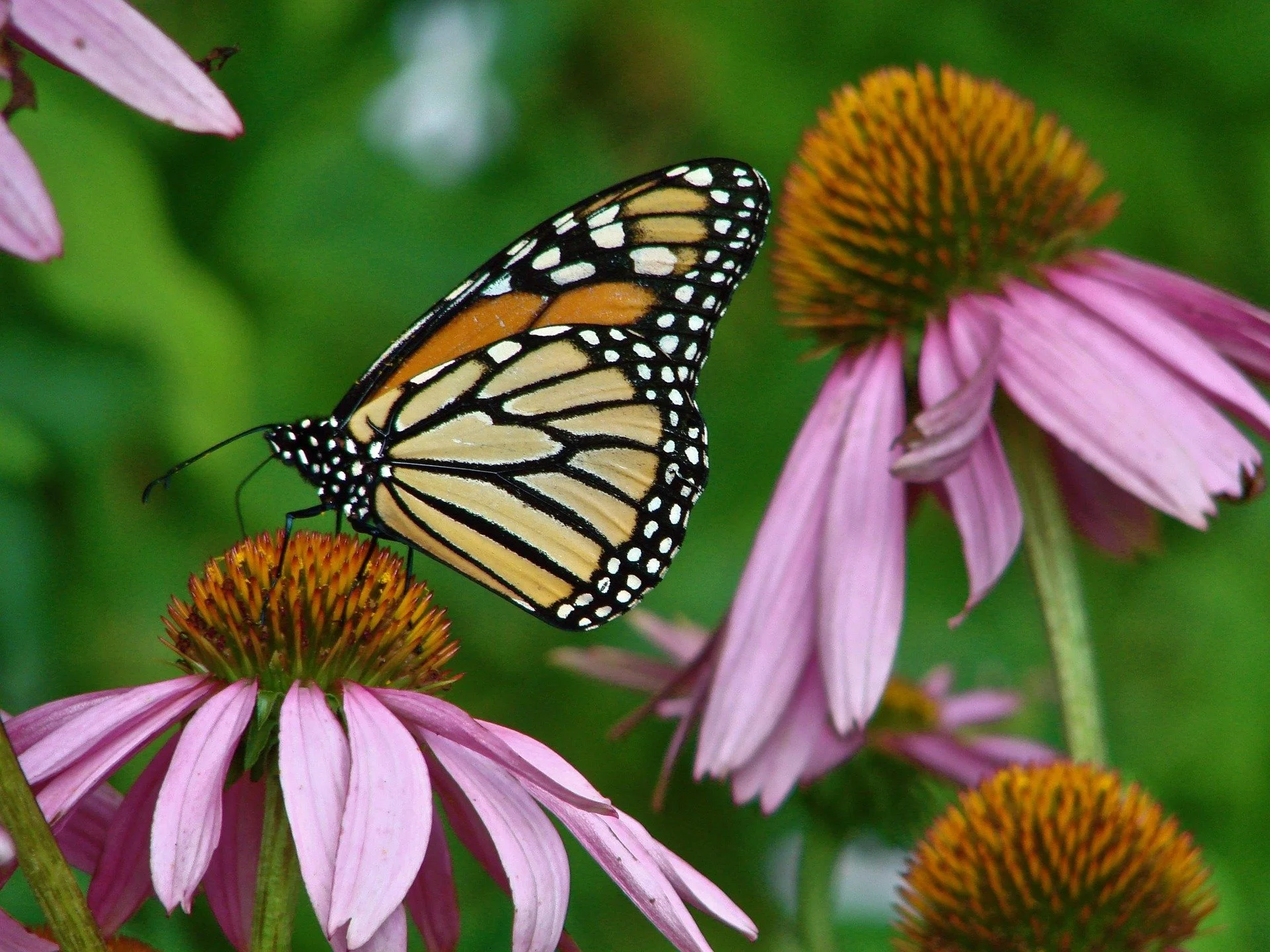
Building butterfly gardens and pollinator habitats.
Landowners who begin with our Backyard Rewilding program, receive a free and comprehensive site visit by our staff to help identify native and invasive species as well as opportunities to increase biodiversity in your yard. A scoring sheet, based on Conservation Landscape Certification (CLC) criteria, is provided as a guide for the landowner to grow with the program. See the bottom of this page to view the CLC checklists.
The Benefits of Backyard Rewilding
Transforming your yard into a native plant habitat not only creates a beautiful, low-maintenance space, it also turns your property into a working ecosystem. Here's what rewilding your backyard can do for your land, your local wildlife, and the environment beyond your fence line.
Increasing habitat for native wildlife. Depending on the species you plant, you can fill your back yard with birds, butterflies, and other wildlife. Increasing biodiversity and engaging animals from the entire food chain helps your yard act as a natural ecosystem and gives our native species more room to move throughout the state.
Filtering polluted water before it reaches major waterways. Native plants have deep roots that absorb nutrients and allow water to infiltrate deep into the ground before it reaches nearby streams, rivers and lakes.
Carbon sequestration. More biodiversity above ground leads to more biodiversity below ground. The plant matter above ground takes carbon dioxide from the atmosphere and stores it below ground, helping to mitigate the negative effects of climate change.
Soil stabilization. In addition to storing carbon and filtering water, deep root systems and biodiverse soil helps keep your soil where it’s at and prevents erosion.
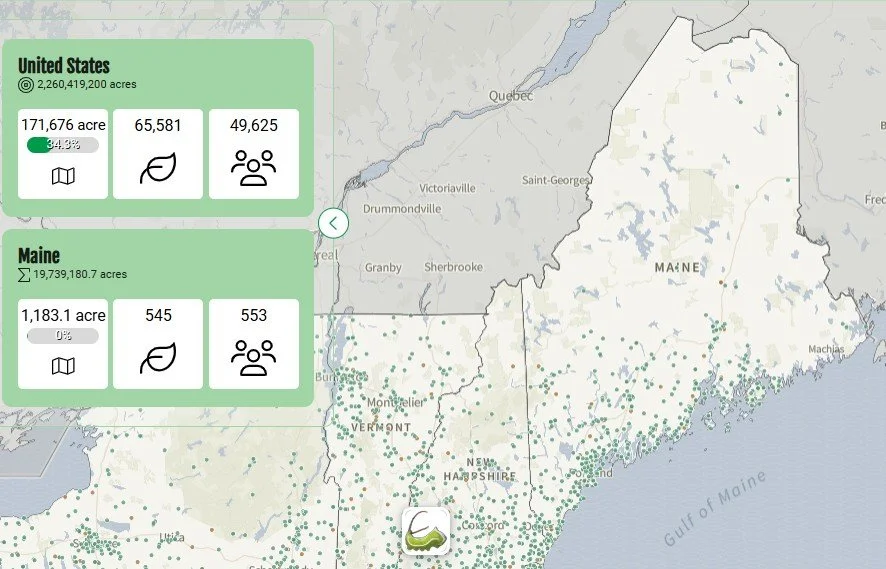
Community. You can become a part of the country-wide initiative to rewild our local habitats through our Conservation Landscape Certification (CLC) program, an integral part of the Backyard Rewilding movement. Those landowners reaching a certain CLC score are added to the Homegrown National Park map, as seen below.
Backyard Rewilding Services
Conservation Landscape Certification
As part of our Backyard Rewilding Program, we offer a Conservation Landscape Certification (CLC). To obtain this certification, we walk your property with you during a free consultation and help you evaluate your yard based on 5 Core Principles:
Wildlife Habitat Creation
Soil and Water Conservation
Invasive Species Control
Ecosystem Support
Integrated Pest Management.
If your yard receives a high enough score, you attain the Conservation Landscape Certification and the chance to add your property to Doug Tallamy’s Homegrown National Park map, which shows all the CLC properties across our land. Lawn signs commemorating the certification are also given to help spread the word about conservation landscaping that creates biodiverse landscape and supports local flora and fauna. This is a great way to showcase your hard work while sparking conversation with all those who see your sign.
Technical Landscape Design Services
If you do not receive a passing score, we can talk about ways to enhance your yard during a free initial consultation (the Site Visit). Beyond that, we provide Technical Landscape Design services, available at $60 per hour and including:
Native pollinator habitat design (attract bees and butterflies while enhancing your backyard habitat)
Riparian buffer planning (creating natural barriers with plants between land and water that help protect, filter, and stabilize the local ecosystem)
Species selection and garden design planning for your unique back yard (personalized plant selection and layout based on your soil, light, and site conditions)
Forest edge and understory planting plans (to increase biodiversity and habitat complexity)
Wildlife corridor connectivity recommendations (identifying opportunities to link habitat patches across your property so birds, pollinators, and small mammals can move freely)
Building a rain garden (siting and designing a shallow planted depression that captures roof or surface runoff, reducing erosion and filtering water before it reaches streams or groundwater)
To get started, Contact Us and we will schedule a site visit to review your property with you, or feel free to use our Conservation Checklists to assess your own yard and start thinking with the Backyard Rewilding approach. At the bottom of this page, you’ll find a Residential Checklist for small, mixed-use properties, and a Woodland Owner Checklist for properties over 5 acres so you can get started with Backyard Rewilding right away!
Backyard Rewilding / CLC Program - Checklists:
Backyard Conservation Certification Program Presentation HCSWCD 2023
Conservation Landscape Certification Checklist – Woodland Owner – More than 5 Acres
Conservation Landscape Certification Checklist – Residential / Small Mixed-Use Property
Conservation Landscape Certification Checklist - Woodland Owner - 2 acres
Homegrown Diversity and Infectious Diseases - Homegrown National Park