
Invasive Species
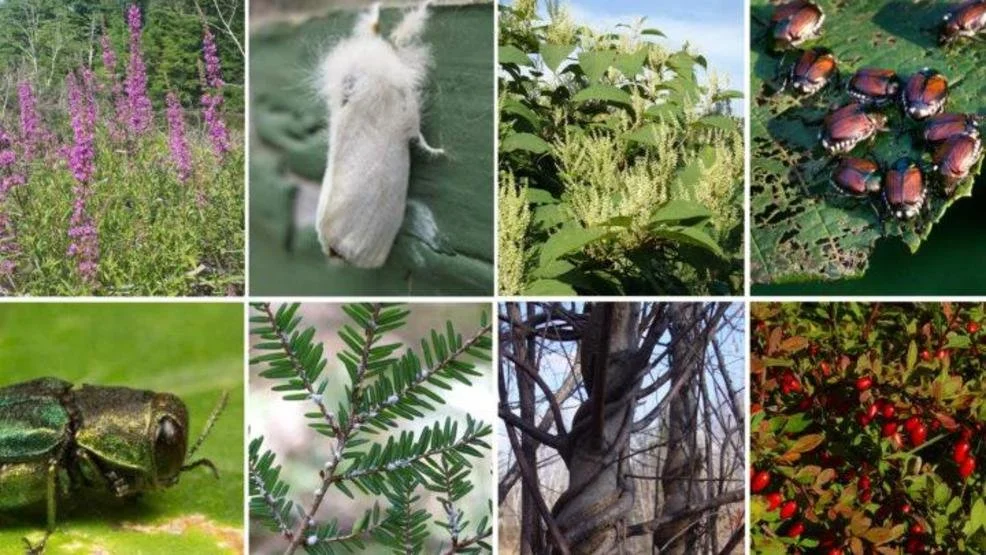
Invasive species exist in both terrestrial and aquatic ecosystems, most commonly as plants or insects. These organisms are defined as non-native species that outcompete native flora and fauna, allowing them to rapidly spread and interrupt the natural function of our ecosystems. Information on how invasives spread can be found here.
This page will provide useful resources to identify, monitor, and decrease the presence of invasives from aquatic and terrestrial settings by getting to know common invasives and understanding the role that groups throughout the state play in the battle against invasive species.
Workshops
The District and Lake Stewards of Maine (LSM) offer annual workshops to educate the public on invasive species identification and removal. For more details about our upcoming workshops, click here. For LSM workshops, click here. For more resources and events related to invasive species, visit Maine Invasive Species Network, or keep reading below!

Terrestrial Invasives
Maine’s top invasive species on land are:
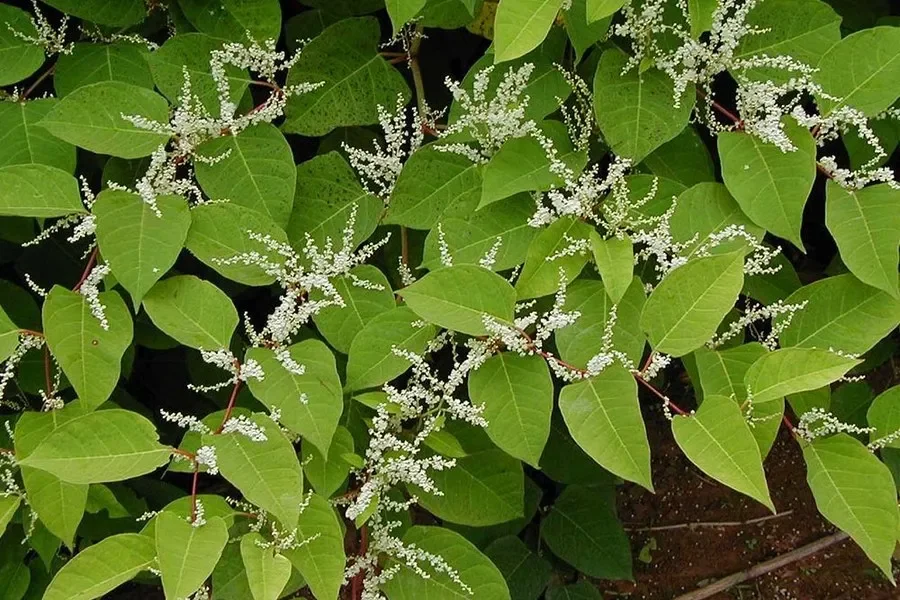
Japanese Knotweed (Fallopia japonica)
Asiatic Bittersweet (Celastrus orbiculatus)
Emerald Ash Borer (Agrilus planipennis)
Browntail Moth (Euproctis chrysorrhoea)
For more details on what plants are considered invasive in Maine, click here.
A helpful invasive plant identification PowerPoint can be found here.
For more details on invasive insects that affect Maine’s forests, click here.
A helpful disease/pest identification site can be found here.
While invasives are quite aggressive and spread quickly, there are several groups focused on early detection and rapid response.
The District can also offer advice on how to remove different species if they are found on your property.
Aquatic Invasives
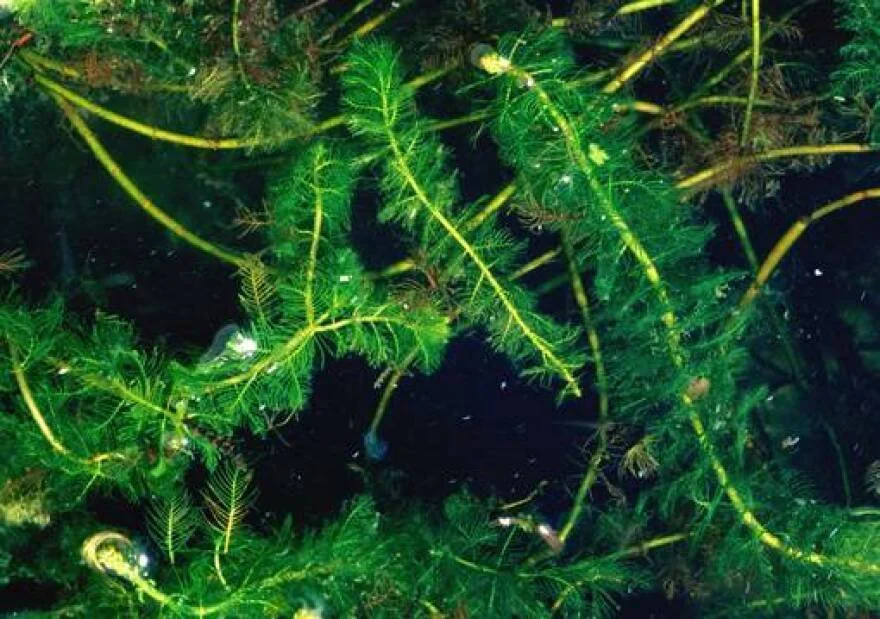
Most of Maine’s Aquatic Invasive Species (AIS) are plants, but there are also issues with species like Zebra Mussels and Green Crabs.
There are several ways the State is attempting to mitigate the spread of AIS, including:
Plant Paddles
These are volunteer events hosted by Lakes of Maine, Maine Audubon, and Lake Associations, where volunteers paddle through waterbodies, identify, and mark invasive plants
Volunteer lake monitoring
Any identified invasives can be reported to Maine DEP at 207-215-9863 or Lake Stewards of Maine at 207-783-7733. Reported and confirmed species are added to a statewide map to help identify where invasive species are starting and how they spread.
For a list of Invasive Aquatic Species, click here.
How can you control invasives at home?
Identify
Use an app such as iNaturalist or GoBotany to determine what species are present in your yard or a nearby waterbody and compare them to one of the invasive species lists found on this page.
Report
Call Maine DEP, the District, your Lake Association, or Lake Stewards of Maine to report the presence of a “Watch List” invasive or a newly identified invasive plant in a nearby waterbody.
Remove
Advice for removal of many of Maine’s invasive species can easily be found online once the species is identified. If there is a large area covered with the species, or if one of the online techniques is not working, reach out to the District or a State Agency for more advice. Part of what makes invasive species is their resiliency against disturbance. Oftentimes removal can take multiple seasons.