
[Postponed] Lawn to Living Landscape: Backyard Rewilding and the Role of Native Plants: Workshop
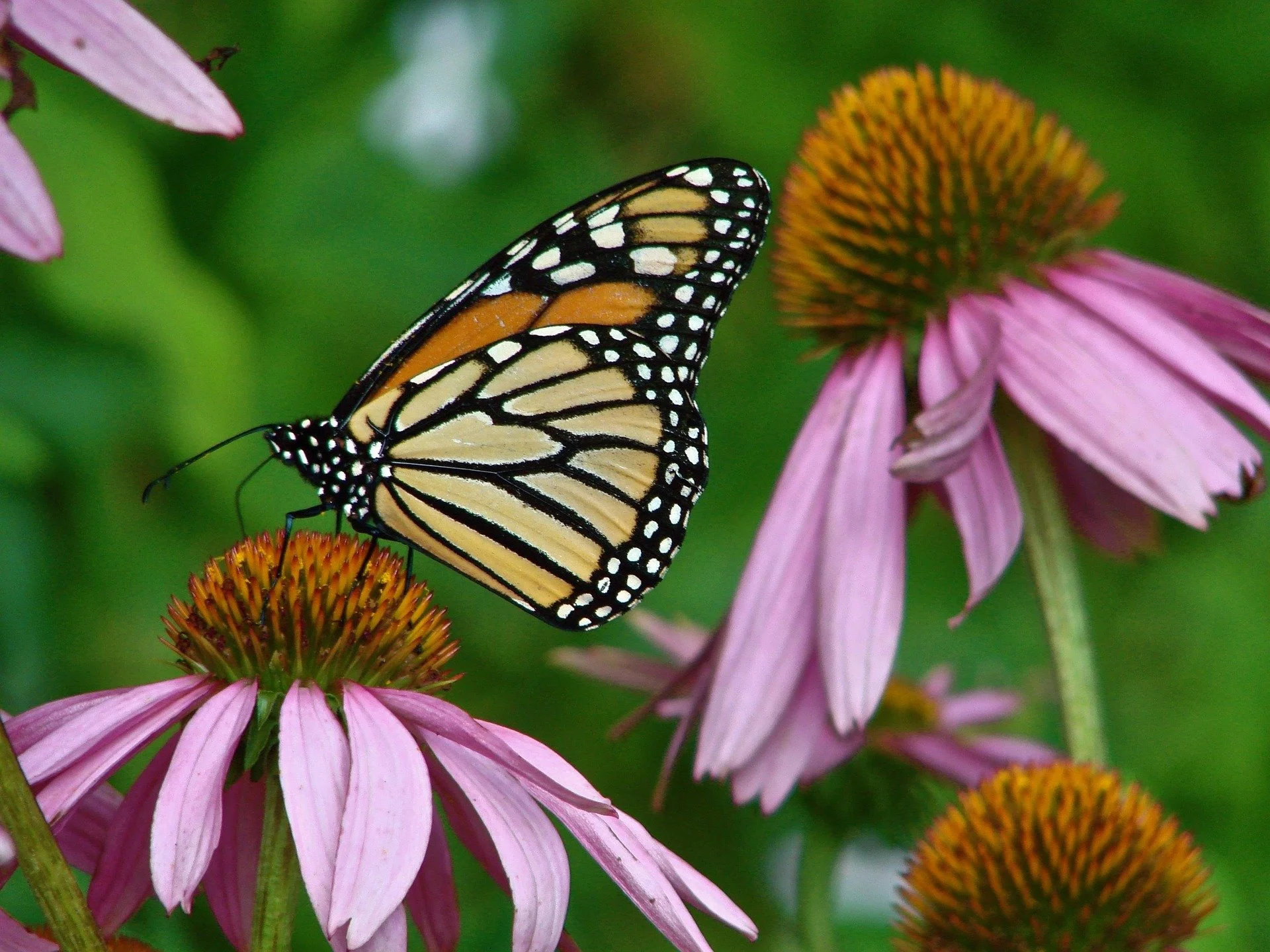
Note: This event has been postponed. We will update you with our new date as soon as possible. Thank you!!
Are you tired of spending every weekend mowing, watering, and fertilizing a lawn that gives nothing back? Or maybe you've already started planting native species and want to take your yard's ecological impact to the next level? Either way, this workshop is for you.
Hancock County Soil & Water Conservation District (HCSWCD) and Native Gardens of Blue Hill (NGBH) are hosting a public event, Lawn to Living Landscape: Backyard Rewilding and the Role of Native Plants, featuring local experts who will walk you through everything you need to know about transforming your outdoor space into a thriving, self-sustaining ecosystem.
Event Details:
Lawn to Living Landscape Workshop:
Date: TBD
Time: TBD
Location: TBD
What Is Backyard Rewilding and Why Does It Matter?
Grass lawns cover roughly 2% of all land in the United States, making them the most heavily irrigated monocrop in the country, one that uses up to 10 times more pesticide than conventional agriculture. Meanwhile, habitat fragmentation continues to push wildlife, pollinators, and native plant communities out of the places they've always called home.
Backyard rewilding is a direct response to that problem. Inspired by the work of ecologist Doug Tallamy and his Homegrown National Park initiative, the idea is simple: by reducing lawn cover and introducing native plants and habitat features, everyday homeowners become active participants in restoring ecological connectivity, one backyard at a time.
The benefits go beyond wildlife. Deep-rooted native plants filter groundwater, stabilize soil, support a rich underground world of microbial life, and sequester carbon. And once established, they largely take care of themselves.
What You'll Learn
The History of Backyard Rewilding
Aidan Meidenbauer, Technical Services Manager at HCSWCD, will open the workshop with an overview of the backyard rewilding movement; how it started, why it matters in Maine, and how HCSWCD has incorporated it into the work they do with landowners across Hancock County.
Deep Dive: Native Plants with Cathy Rees
The next segment of the workshop is an hour-long session with Cathy Rees, co-founder and Executive Director of Native Gardens of Blue Hill (NGBH), a garden designer, environmental consultant, author, and one of the most knowledgeable native plant experts in the region.
Cathy will discuss the definition of native plants and explore their use in the garden, bringing benefits to both people and the natural world around them. Participants will learn how to identify diverse opportunities in their own yards to grow native plants without intensive maintenance, and will come away with practical tips for keeping a tidy garden while maximizing the wildlife value of the plants they nurture.
Cathy will cover:
What makes a plant "native" and why that distinction matters for the ecosystem around you
The specific relationships native plants have with insects, birds, and other organisms and why choosing plants is one of the most powerful levers you have for increasing biodiversity
How to evaluate your site - light, soil depth, hydrology, soil organic matter, pH, and disturbance history all factor into which plants will thrive where
Aesthetic and functional considerations - bloom times, edible species, and habitat value for birds and pollinators
Specific species native to Maine and how to use them well
Leaving things alone - why a messier yard through winter is often the best thing you can do for wildlife
Site preparation and layering how to think about a yard as a multi-layered ecosystem, not just a flower bed
Real examples including video from a Chicago native garden and work done through NGBH
Whether you've never planted a native species or you're ready to push your plantings further, Cathy's session will leave you with practical knowledge you can apply the same week.
Hands-On Activity
Midway through the event, there will be a participatory activity to put some of these concepts into practice before the final session.
Programs, Services & Next Steps with HCSWCD
Aidan will close out the event by walking through the tools and services HCSWCD offers to help you actually move forward:
The Backyard Rewilding Program - Free site visits where HCSWCD staff evaluate your property (small lot or woodlot), discuss your goals, and help you map a path forward.
Conservation Landscape Certification - A checklist-based certification that recognizes landowners who are providing wildlife habitat, practicing soil and water conservation, controlling invasive species, and more.
Landscape Design assistance - Site sketches, species recommendations based on your specific conditions, and guidance on where to source plants.
Free Soil pH Testing A simple starting point that helps you understand what you're working with and opens up new ways of seeing your yard.
Resources
HCSWCD Native Plant Sale - held every January, featuring 25 native tree and shrub bare root seedlings
NGBH Plant Sales - two per year (spring and fall), featuring plants from over 13 local farms
Homegrown National Park:homegrownnationalpark.org
HCSWCD:hancockcountyswcd.org | 207.667.8663
NGBH: ngbh.org | info@ngbh.org
Who Should Attend?
This workshop is a good fit if you:
Are curious about native plants and don't know where to start.
Want to reduce lawn and increase biodiversity but feel overwhelmed by the options.
Have already planted some natives and want to deepen your ecological impact.
Are ready to stop spending your weekends maintaining a lawn that doesn't support the wildlife around it.
Want to connect with local experts and programs that can support you beyond the event.
You don't need to be ready to rewild your entire yard. Even one or two well-chosen native plants can make a meaningful difference. This workshop will give you the knowledge, the confidence, and the local connections to take whatever step makes sense for you.
We hope to see you there. For questions, contact Aidan Meidenbauer at ameidenbauer@hancockcountyswcd.org or Cathy Rees at cathy.rees@ngbh.org.