
As autumn settles over Hancock County, we're gathering to share and swap native seeds, make bee hotels, and plant some native seeds for the spring.
Join Us for Hands-On Learning
On Saturday, November 14th from 2-4PM, the Moore Community Center in Ellsworth becomes our hub for seed saving, pollinator support, and community connection.
What We’ll Do:
Save and swap native seeds - Bring seeds from your garden to share and discover new native plants for your landscape (optional, not required)
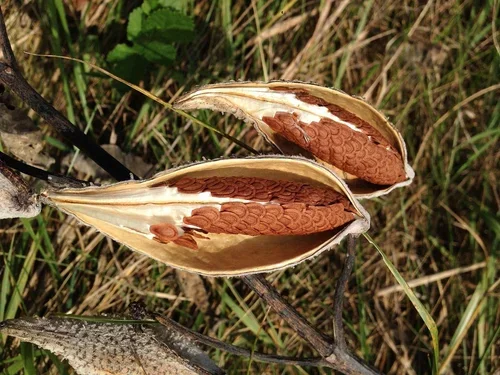
Milkweed, etc. planting workshop for monarchs - Pot butterfly-friendly seeds to support these declining pollinators
Build bee boxes - Create spring homes for native bees using repurposed and natural materials
Connect with fellow gardeners and community members - Share knowledge over fall refreshments
Agenda
Welcome - Door prize tickets, sign in sheet, information table
Dr. Mark Whiting's Intro: Our goal is to promote biodiversity and habitat restoration with native plant gardening.
What does that mean and how can we do it?
Examples to demonstrate seed saving, including:
Curly dock (birds, insects, goats like this)
Red sumac (birds, large mammals like deer like this)
Purple asters (late season pollinators, caterpillars, and birds like this) (keystone plant)
Compare wild species to invasive (example is Knotweed) - How are they different from native species? Why do we want to plant more natives?
Handout: What are Native Plants and How to Choose the Right Ones?
Making bee hotels - using the invasive species/Knotweed to help pollinators over winter
How to build them
Quick intro to Backyard Rewilding, and leaving grass un-mowed for additional habitat for pollinators
What kind of bees use them and why do they need them
Where do you put them?
Handout: Bee Hotel Building Guide
Introduce seed swap with community focus
A big thanks to everyone for contributing
How it works (empty packets & labels provided, seeds are displayed in small cups with labels for browsing)
Everybody picks a few seeds to plant today, plus can take some home
Handouts: Planting instructions/timing for native seeds
Planting workshop
Mark explains the process (we use sand, potting soil, and we provide pots and tools)
Pots need protection/mulch for overwintering
Plant and distribute as many native plants as possible for folks to take home
Reminder of our Native Plant Sale - Will be live on our website Dec 7th
Snacks and Door Prize drawing
Why Native Seeds Matter
Native plants have evolved alongside our local pollinators for thousands of years. When we save and share these seeds, we're preserving genetic diversity adapted to Maine's climate while supporting the butterflies, bees, and birds that depend on them. Fall is the perfect time to collect native seeds. Many plants have finished flowering, leaving behind seed heads ready for harvest. Learning proper collection and storage techniques ensures these seeds remain viable for spring planting.
Bring Your Seeds, Take Home New Ones
Whether you've been saving seeds for years or are just curious about starting, this celebration welcomes all skill levels. Bring any native seeds you've collected to share, and discover new varieties to add to your garden.
All materials, instruction, and harvest refreshments are provided free.
Space is limited, please Register: Register online or call 207-667-8663
About Hancock County Soil & Water Conservation District:
The Hancock County Soil and Water Conservation District (HCSWCD) was formed in
1963 to provide local conservation leadership, teach the value of natural resources, encourage conservation efforts, and help to plan and implement voluntary programs. The District collaborates with local stakeholders and various governmental partners to identify priorities and provide conservation assistance to the public and municipalities of Hancock County.
Hancock County Soil & Water Conservation District
~ Making Conservation Work For Your Since 1963 ~